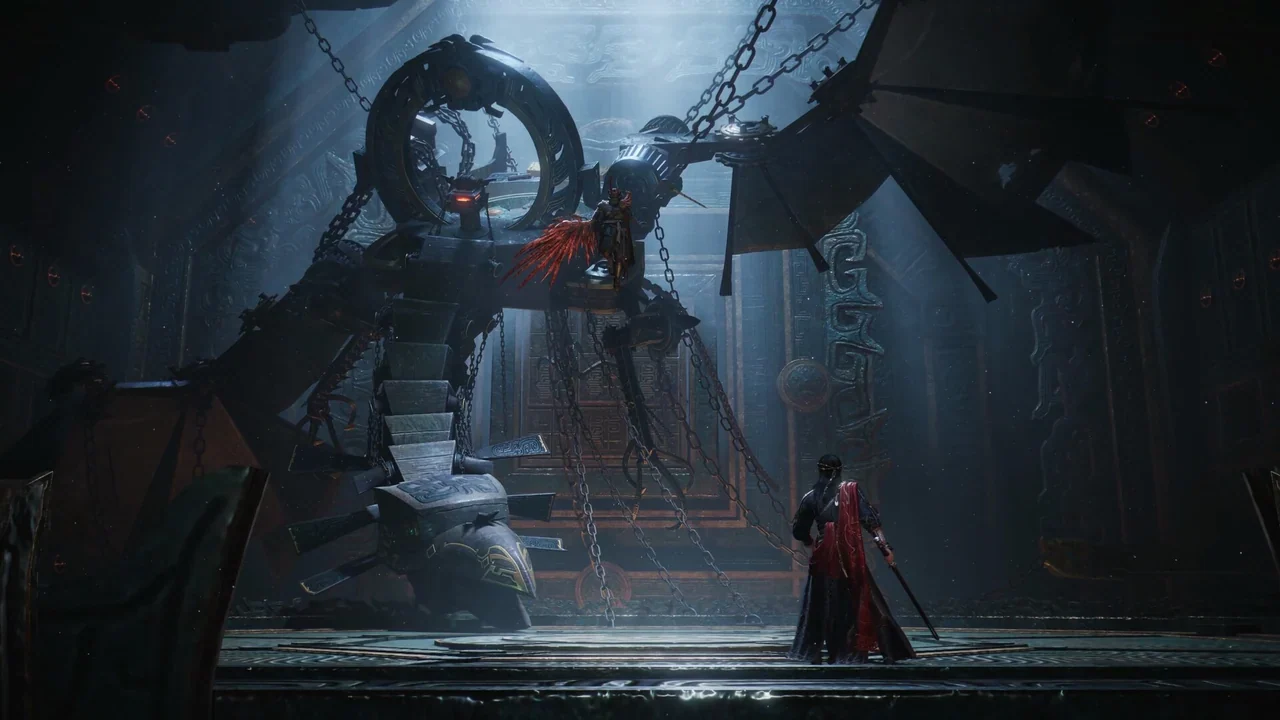
Where Winds Meet builds its combat around martial arts rather than a single permanent weapon choice. For Where Winds Meet beginner weapons, our first learning priority is Nameless Sword, followed by Nameless Spear. Panacea Fan is the support pick; Thundercry Blade is the defensive melee alternative. This order ranks documented starting access and roles, not current damage output.
Checked October 17, 2026: the official Version 2.3 balance announcement and Epic Games Store's November 2025 martial-arts guide. The latter supplies the starting-route baseline; it is not a fresh walkthrough of every unlock in 2.3.
How we rank beginner weapon choices
Quick picks: Sword for a first melee focus, Spear for an early companion, Fan for healing support, and Blade for shield-based melee.
Our desk scores three criteria from zero to two: documented starting access, 40%; a clearly described main role, 25%; and an explicit defensive or recovery option, 20%. We normalize those weights across their combined 85%. Two access points mean a starting or immediately following art; one means an early optional reward. Two role points mean an identifiable job in the source. Recovery gets two for healing or shielding, one for described evasive movement or endurance recovery.
We removed the proposed resource-complexity criterion because a short official description cannot establish everything a player must learn. These are editorial scores of documented features, not measurements of difficulty, survivability, investment cost, or performance.
| Priority | Art | Access / role / recovery | Weighted score | Best for |
|---|---|---|---|---|
| 1 | Nameless Sword | 2 / 2 / 1 | 88/100 | Starting with one melee focus |
| 2 | Nameless Spear | 2 / 2 / 1 | 88/100 | Adding an early companion |
| 3 | Panacea Fan | 1 / 2 / 2 | 76/100 | Healing support |
| 4 | Thundercry Blade | 1 / 2 / 2 | 76/100 | Shield-based melee |
The starting Sword wins its tie over the subsequently available Spear. For the optional pair, we put a ranged support role before another melee choice. Those tie-breaks express this list's learning priorities; they do not establish a stronger weapon.
Four weapon styles to learn first

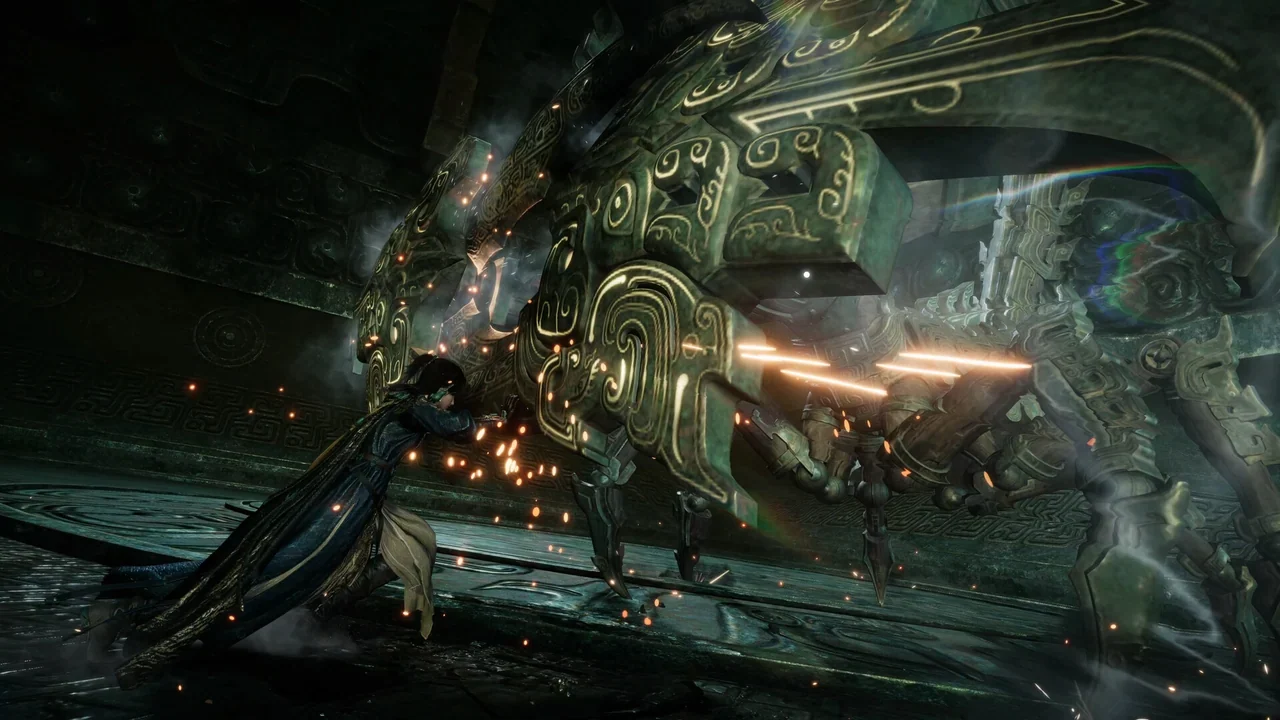
The first two follow the documented starting route. The optional pair changes your role. The battle image illustrates sword combat; it does not identify every listed art or prove a ranking.
1. Nameless Sword — the first learning focus
Our call: start here if you want one melee baseline. Epic's guide identifies Nameless Sword as the starting art and describes a lunge and an evasive backward movement. That is a concrete toolkit to study before changing priorities. Skip this first pick if your immediate goal is a healing role. Version 2.3 also changes protection during a charged skill in Non-Arena modes, so do not assume the same behavior applies everywhere. Its ranking rests on access, not that change's damage value.
2. Nameless Spear — the early companion
Nameless Spear ranks next because Epic places it almost immediately after the starting art. Its described toolkit includes immobilization, endurance recovery and a thrust. That gives you a second role comparison without making a distant unlock the entire plan. Pick it when you want to examine how that toolkit differs from your Sword. Skip additional investment for now if you are still uncertain about your first art. The 2.3 notes modify a Spear effect; they are not evidence of a universal best build.
3. Panacea Fan — the support pick
Panacea Fan earns its place through a documented healing role alongside ranged attacks. Epic lists an early optional reward route and a separate Skill Theft route. Pick it if healing support is the reason you want another art, rather than expecting one list to decide everything. Its lower access score reflects that optional choice; it is not a penalty for support play. Skip this recommendation if you specifically want a shielded melee role. We make no claim about healing throughput or a current optimal pairing.
4. Thundercry Blade — the shield-based alternative
Thundercry Blade belongs here because Epic describes a shield and a close-range toolkit, with an early reward choice in its launch route. That provides a specific alternative to the Fan's support emphasis. Pick it when shielding is the feature you want to investigate. Skip it if your main purpose is healing teammates from range. The equal score does not make the two arts interchangeable: it means they satisfy the same broad documentary criteria through different mechanics. No shield percentage or damage comparison is needed to make that distinction.
When to choose a different style
Change the order when your desired role changes, rather than treating this as a compulsory shopping list. Read our Where Winds Meet coverage for the wider game and our documentary WWM review before committing to its long-term loop.
| Your priority | Start by considering |
|---|---|
| One initial melee focus | Nameless Sword |
| Another early melee toolkit | Nameless Spear |
| Healing and ranged support | Panacea Fan |
| A shield-based melee option | Thundercry Blade |
What just missed: Strategic Sword, because its documented bleed emphasis answers a more specific offensive preference; Vernal Umbrella, because a separate ranged toolkit would broaden this short starting list. Neither exclusion means the art is weak.
What would change this ranking: revised starting access, changed defensive mechanics, or documented evidence that this baseline no longer describes the current route. Check the game's current unlock descriptions before spending resources on an optional choice.
Is this a 2.3 damage tier list? No: it combines a dated access baseline with current balance context. Must you learn every entry? No: choose a role, then reassess.
Sources · checked Oct 17, 2026
- NetEase / Everstone — Where Winds Meet official website
- NetEase / Everstone — Version 2.3 Path Balance Adjustment Announcement (October 15), published October 14, 2026
- Epic Games Store — Alan Wen, How to unlock all weapon martial arts, November 14, 2025