At a glance
Wuthering Waves gives you several reasons to return, from exploring Solaris-3 to studying Resonator abilities. For a newcomer choosing the best Wuthering Waves activities, exploration is our first learning focus, followed by combat timing, team planning and story. That order favors understanding your current options; story moves first when narrative is your main reason to play.
Quick picks: exploration for an open-ended starting goal; combat for a specific execution problem; team planning for understanding your available roster; story for narrative context.
Checked against publisher descriptions on Steam, PlayStation and Google Play on November 4, 2026. No personal playtest, reward-efficiency benchmark or universal patch ranking is claimed. For the wider system map, start with our Wuthering Waves overview and platform guide.
How we rank Wuthering Waves activities
We rank four learning priorities for a new player using the options already available to their account. The criteria favor understanding before extra acquisition, with explicit weights showing what drives our decision.
| Criterion | Weight | What we consider |
|---|---|---|
| Transferable mechanical learning | 40% | Does the focus help you understand movement, encounters or your characters? |
| Experimenting with current options | 30% | Can you investigate the focus before choosing another character? |
| Clarity of the next decision | 20% | Can you name what you want to understand next? |
| Freedom to choose a session goal | 10% | Does the focus suit a self-selected objective? |
These weights describe editorial priorities, not measured in-game returns. We compare documented activity types qualitatively; we do not assign damage, difficulty or earnings scores. Exploration leads combat through its open-ended choice of destination. Team planning follows because the options depend on your roster; story places fourth under a mechanical-learning brief, rather than a judgment of writing quality.
We exclude current-event routing and premium-pull optimization. Neither belongs in a general activity ranking without current access rules, reward details and an account-specific goal.
| Priority | Activity family | Best for | Main condition |
|---|---|---|---|
| 1 | Exploration and movement | Choosing your own learning target | Use traversal already unlocked |
| 2 | Combat timing practice | Understanding an encounter | Choose one response to study |
| 3 | Resonator team planning | Clarifying your roster | Start with owned characters |
| 4 | Following the story | Narrative context | Move first for story-led play |
Four activity families ranked for a new player

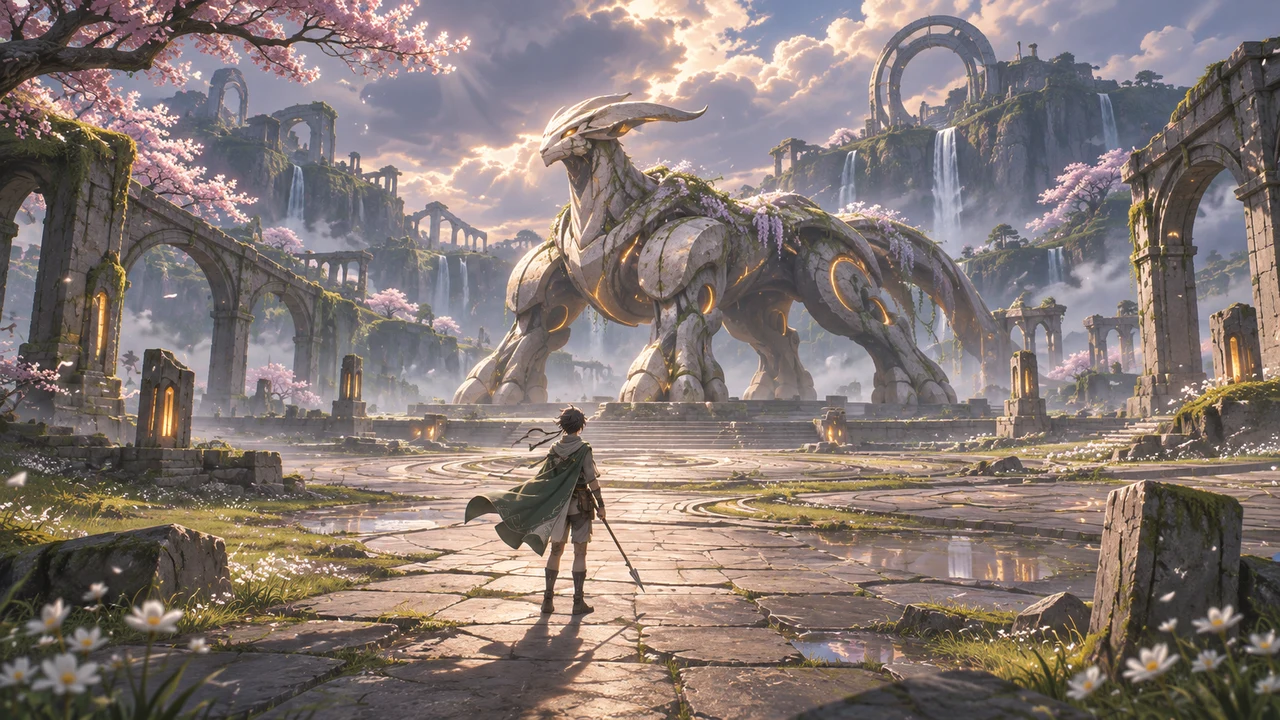
Exploration is our top pick for a self-directed newcomer; combat is the closer alternative when an encounter blocks progress. The landscape illustrates the first activity, rather than proving the relative value of every option.
1. Exploration and movement
Exploration ranks first because it lets you connect a destination with a movement question. Kuro's Steam description identifies wall parkour and several wider traversal options. Pick a route you can currently attempt, then decide what prevented the next step. Do not assume every advertised vehicle or flight option is available immediately.
Best for: self-directed learning. Skip if: you need to resolve a combat problem first. Investment: attention to a chosen route; no universal resource cost established. Pairs well with: story context. Checked: November 4, 2026.
2. Combat timing practice
Combat is second because it gives your learning a specific target: responding to an enemy action. The PlayStation description names evasion, counters and Echo Skills. Study one interaction before changing several variables. Move this above exploration when your immediate question is why an encounter keeps interrupting your plan; this list supplies no difficulty measurement.
Best for: a defined execution problem. Skip if: you want narrative context now. Investment: focused practice, with no timed improvement claim. Pairs well with: reviewing an available Resonator. Checked: November 4, 2026.
3. Resonator team planning
Team planning earns third through the publisher's description of characters with different abilities. Read the abilities you already have and give each proposed change a purpose. It follows practical exploration and combat here because an observed problem gives that planning a clearer target. The publisher's Google Play page establishes the character-based system, not an optimal roster.
Best for: explaining a team choice. Skip if: you cannot identify the problem yet. Investment: roster-dependent; no pull cost assumed. Pairs well with: combat practice. Checked: November 4, 2026.
4. Following the story
Story is the niche pick for this mechanical-learning order and the top pick for narrative-led play. Publisher descriptions establish Rover's search for lost memories and cinematic storytelling. They do not measure writing quality or total reading time. Follow the current narrative objective when meeting the world and its characters matters more than selecting an independent practice task.
Best for: narrative context. Skip if: you specifically want a repeatable learning exercise. Investment: no completion duration established. Pairs well with: visiting story locations. Checked: November 4, 2026.
Which activity fits your next session?

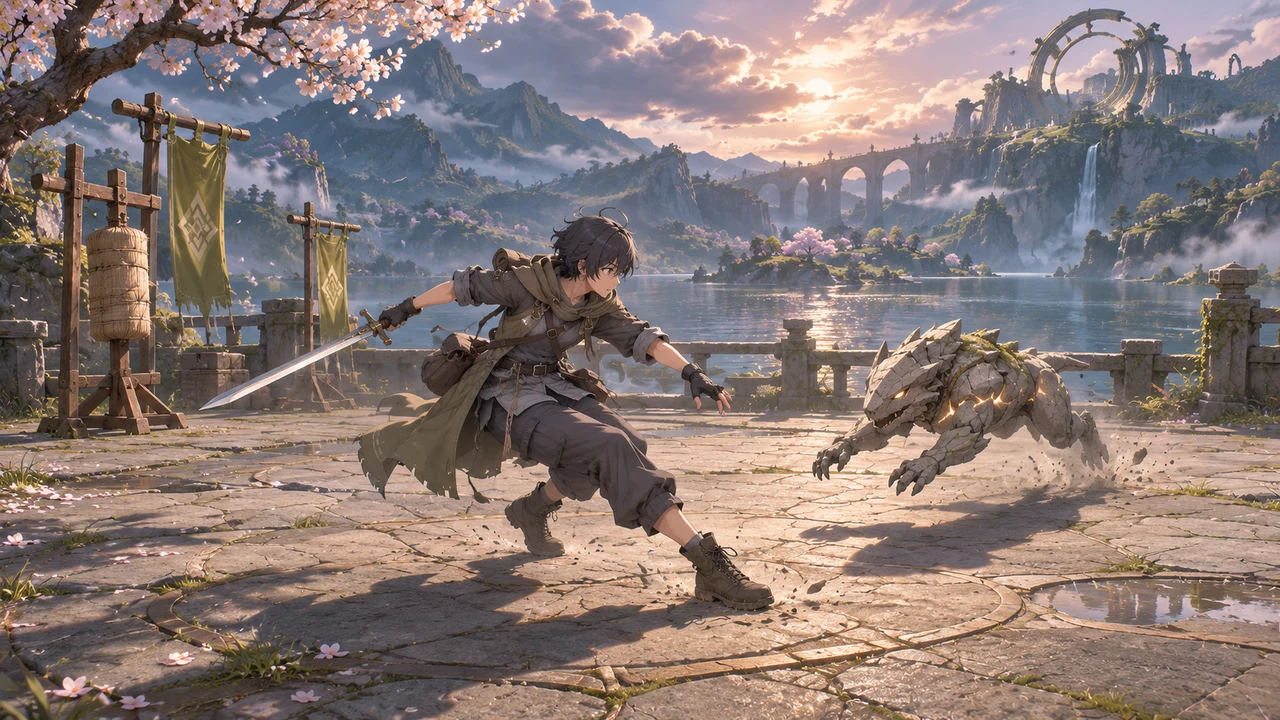
Choose the activity that answers your current question. Combat, shown here, moves first when you want to understand an encounter; the default exploration-first order remains a starting recommendation.
| Your next question | Best for you now |
|---|---|
| Where can I go with my current movement options? | Exploration |
| Which enemy action am I failing to answer? | Combat timing |
| What job should this available character perform? | Team planning |
| Why am I visiting this place? | Story |
What would change this ranking: a different learning goal, an activity's access requirements, or a documented system change. Event deadlines and undisclosed rewards do not silently change our order.
Our call: start with exploration, then switch to the first concrete question it raises. Keep purchases separate from that decision; none of these placements establishes a need to spend.
Changelog — November 4, 2026: first ranking, with four documented activity families and a published learning-fit rubric.
Sources · checked Nov 4, 2026
- KURO GAMES via Steam — exploration and activity descriptions
- PlayStation — publisher combat and narrative descriptions
- HK KURO GAMES via Google Play — Resonators and purchase disclosures