War Thunder review // 2026

War Thunder review 2026: deep combat, brutal grind

A current review of War Thunder's combined-arms battles, realism modes, vehicle depth, learning curve and long progression in 2026.

Research-based assessment using the sources listed below. This is not a hands-on test and carries no numeric score. Our review method.

Verdict

War Thunder offers exceptional vehicle breadth for players willing to study armor, ammunition and positioning. Its layered battle systems reward that knowledge, while the economy and research ladder can make reaching a favorite vehicle resemble a second job.

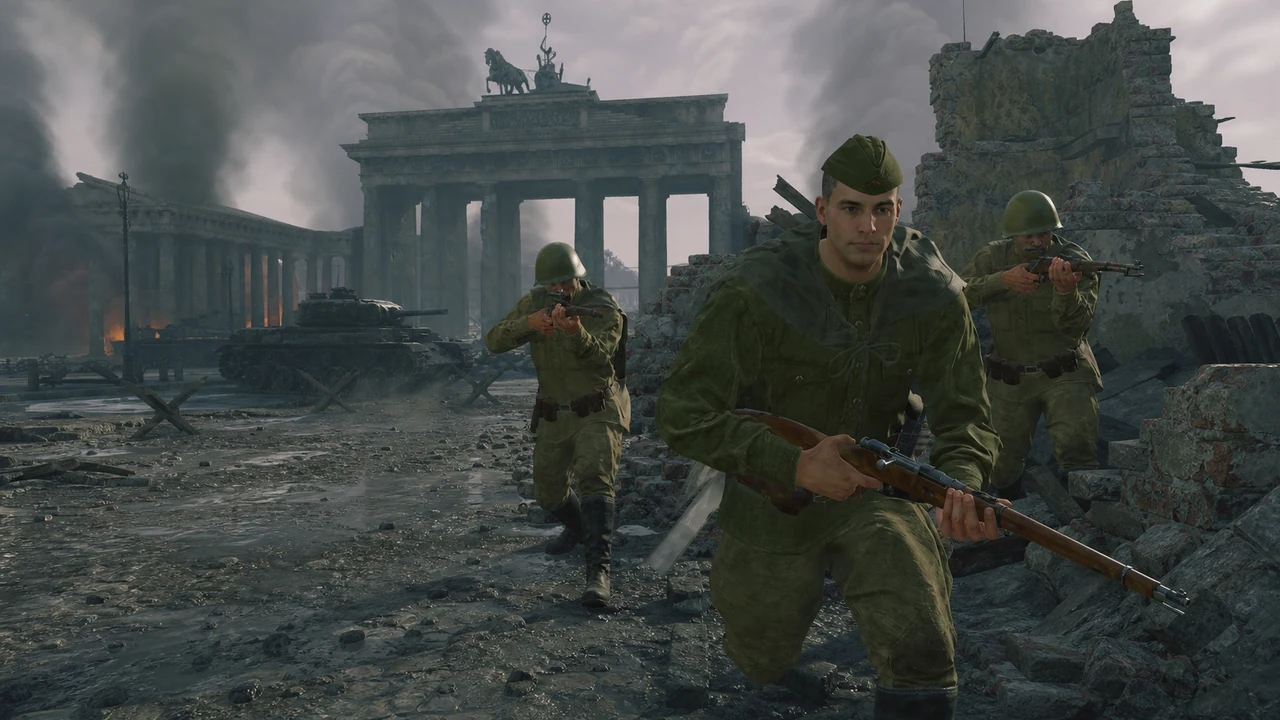
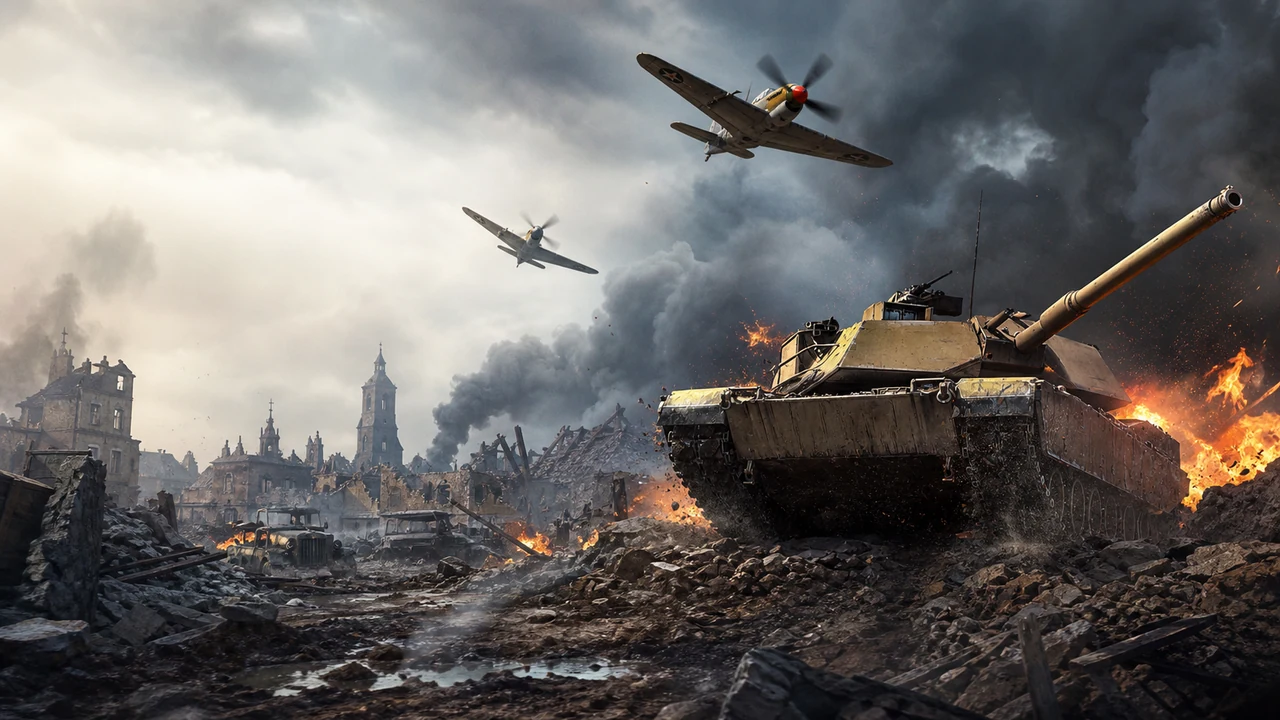
A tank advancing through a ruined town while two period aircraft cross a smoke-filled sky.

The review in three beats

01The premise

Ground, air and naval combat built around detailed military vehicles.

02The hook

Combined-arms battles reward positioning, vehicle knowledge and patience.

03The catch

A vast progression tree can demand a serious long-term time commitment.

The short answer: War Thunder is worth trying in 2026 if the vehicles themselves are the hobby. Gaijin's official game page spans aircraft, ground vehicles and naval craft across Arcade, Realistic and Simulator rules. The same scale produces its central problem: progress toward a specific high-tier machine can take far longer than the first hours suggest.

This documentary assessment uses Gaijin's official FAQ and current changelog. It covers documented modes, vehicles and progression rather than a newly completed top-tier grind or device benchmark.

What makes War Thunder different from a normal shooter?

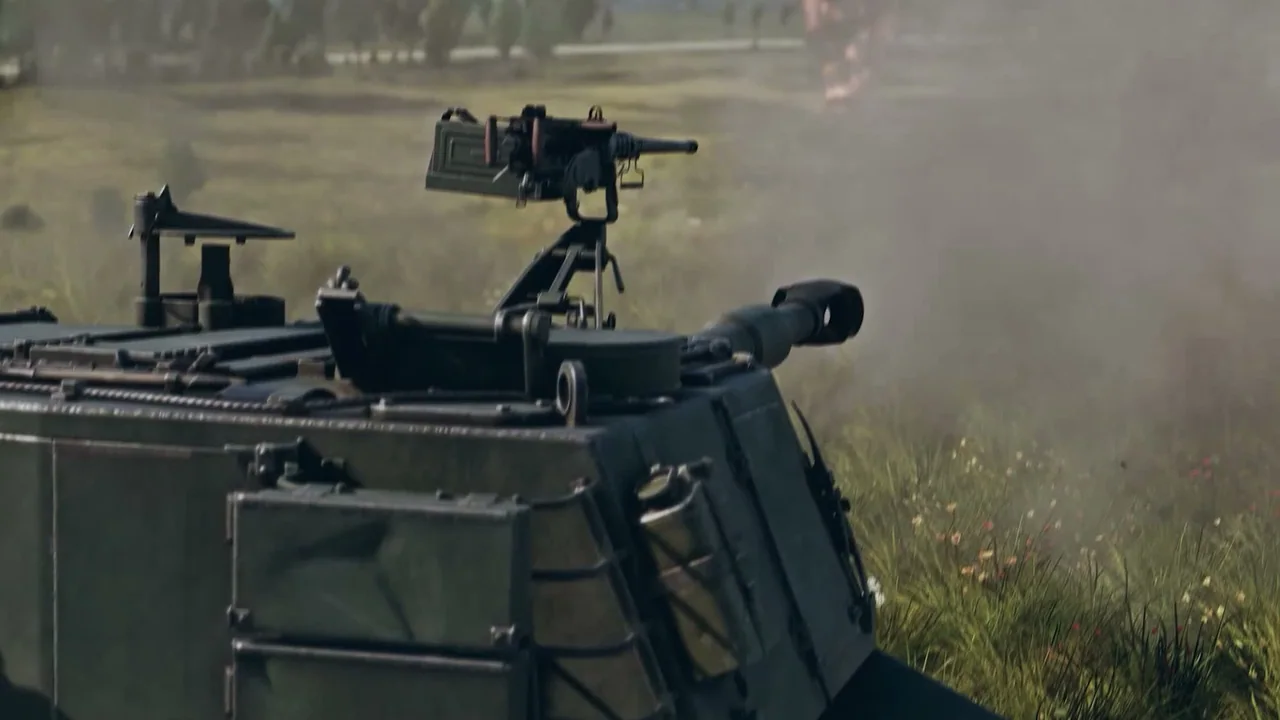
Official War Thunder campaign footage showing the upper hull and weapons of a ground vehicle in battle.
Official campaign footage // AF Booster packVehicles, not infantry loadouts, define every decision

This still comes from the official War Thunder Kings of Battle campaign video supplied through AF Booster. It is campaign footage, not an independent benchmark capture.

Vehicles are not simple health bars. Shell type, angle, armor thickness, crew position and internal modules determine whether a hit disables, destroys or barely inconveniences a target. An aircraft survives or fails according to damaged surfaces and systems. That model turns recognition and positioning into weapons: knowing where to shoot can matter more than firing first.

The three broad rule sets let players choose how much assistance they want. Arcade prioritizes speed and readable engagement. Realistic removes several aids and makes vehicle behavior and identification more demanding. Simulator pushes further toward cockpit views and restricted information. The important point is not that one mode is “correct,” but that War Thunder has room for a casual vehicle enthusiast and a player who wants to study ballistics.

What should a new player learn first?

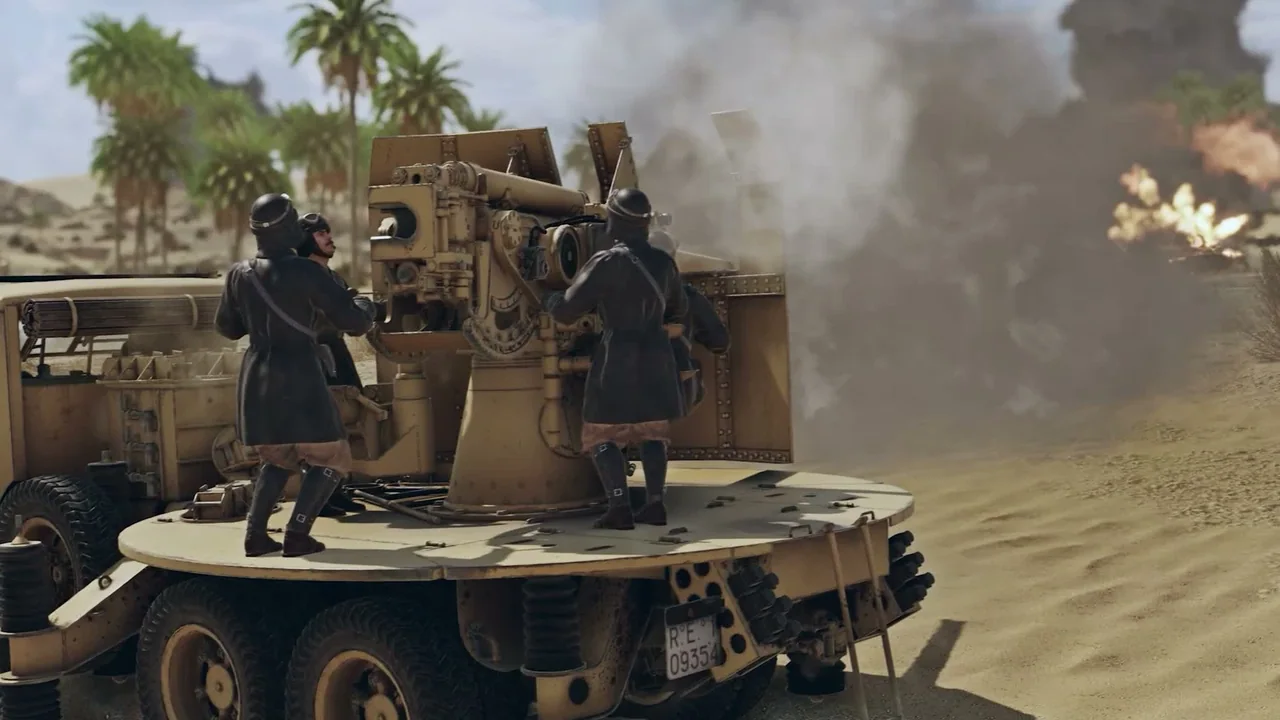
Official War Thunder campaign footage showing a crew on an armed vehicle amid smoke and explosions.
Official campaign footage // AF Booster packPositioning matters before the first shot is fired

The official campaign frame shows a vehicle crew operating in an exposed combat zone, a useful visual cue for the article's emphasis on sight lines and positioning.

Start in one nation and one vehicle branch long enough to build a complete lineup. Ground battles punish a garage containing one strong tank followed by unsuitable backups. Aircraft progression likewise benefits from several machines near the same battle rating, because crew experience, repair decisions and role familiarity matter across a session.

Learn ammunition before chasing modifications. Armor-piercing shells, explosive fillers, shaped charges and sub-caliber rounds behave differently; the highest penetration number is not automatically best at every angle or range. Use the protection analysis and test drive to understand a target rather than firing at the center of mass by habit. Gaijin's official FAQ is the baseline for modes and account questions, while live mechanics should be checked in the current client.

Map knowledge is the second major advantage. Good cover, expected sight lines and a safe route away from spawn often produce more progress than a premium vehicle driven into the open. Review the hit camera after a loss and identify one actionable error instead of treating every death as a balance verdict.

Are combined-arms battles actually good?

Official campaign video // 15 secondsSee ground vehicles and aircraft in the same battle language

This short official Kings of Battle campaign video from the AF Booster publisher pack shows the pace and vehicle mix behind War Thunder's combined-arms pitch.

They create tactical variety because threats arrive from different layers. Ground players must think about cover and sight lines while aircraft create pressure from above. Air battles reward energy management, positioning and knowledge of each airframe. Naval combat is slower and more deliberate, with range, shell choice and compartment damage shaping every exchange.

Combined arms can also feel unfair when the counter to a threat requires a vehicle or skill the current lineup lacks. A dramatic aircraft strike for one player is an abrupt death for another. Lineup planning matters, and so does accepting that not every loss has an immediate duel-like answer.

How different are the air, ground and naval learning curves?

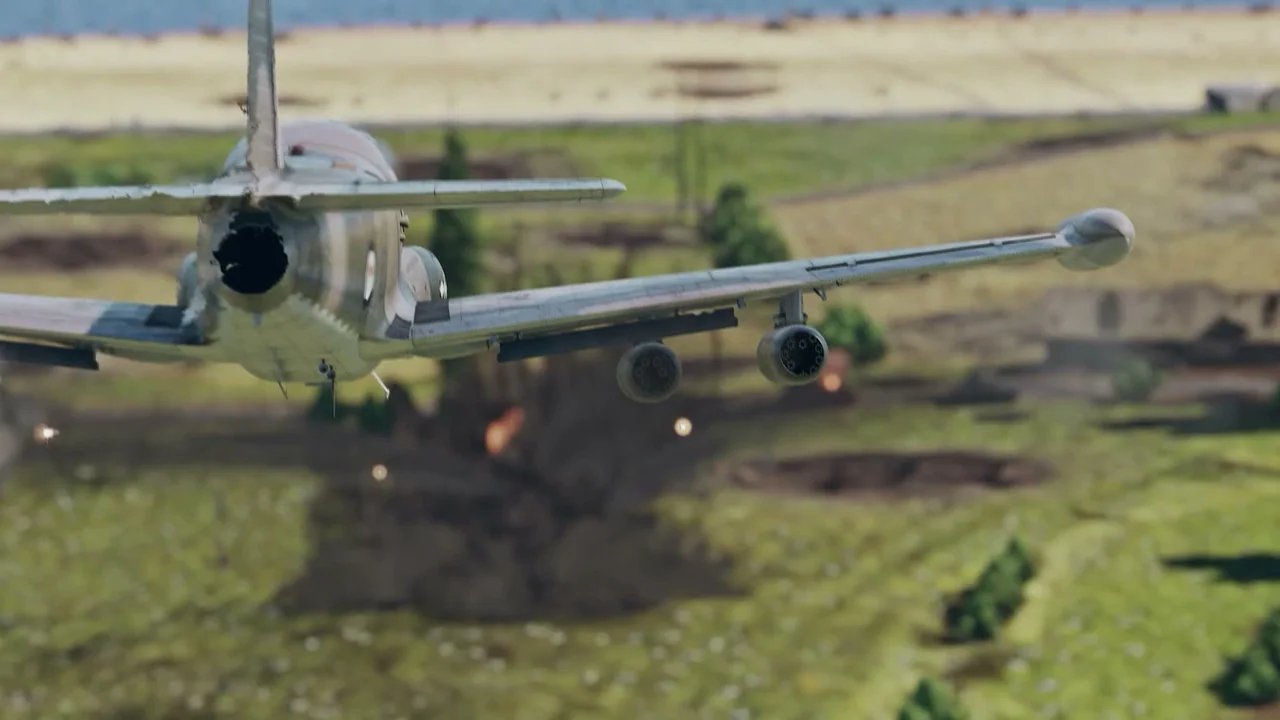
Official War Thunder campaign footage showing a military aircraft flying low over a battlefield.
Official campaign footage // Air combatAir combat asks for a different kind of awareness

The aircraft shot is taken directly from the official campaign video. It supports the section's comparison of distinct vehicle learning curves without presenting staged editorial gameplay.

Air combat asks the player to manage energy, altitude and escape routes before the first shot. A fast aircraft that turns too aggressively can surrender the advantage it was built to use, while a slower fighter may win by forcing the engagement into its preferred speed and altitude. Arcade makes those relationships easier to see; Realistic adds consequences through reduced assistance, limited ammunition management and longer returns to the fight.

Ground battles are more dependent on maps and information. Armor knowledge matters, but a perfect shell cannot help a tank that crosses a known sight line without checking it. New players should learn one safe opening route, one fallback position and the common weak areas of vehicles near their lineup's battle rating. Sound, smoke, destroyed allies and the minimap are all sources of intelligence, not decoration.

Naval combat has the slowest feedback. Range estimation, shell travel, compartment damage and positioning take time to understand, and larger vessels can continue fighting after several apparently successful hits. The pace rewards players who enjoy deliberate gunnery and reading an engagement over several minutes. It will feel inert to someone seeking the immediate corrections available in a dogfight.

Progress in one branch does not automatically teach the others. Crew skills, lineup construction and map habits differ, so splitting an early account across air, ground and naval can create three shallow learning projects. Sample each mode, then focus on the one whose failures make you curious. War Thunder's breadth is valuable because the alternatives remain available, not because every player should maintain all of them at once.
How bad is the progression grind in 2026?

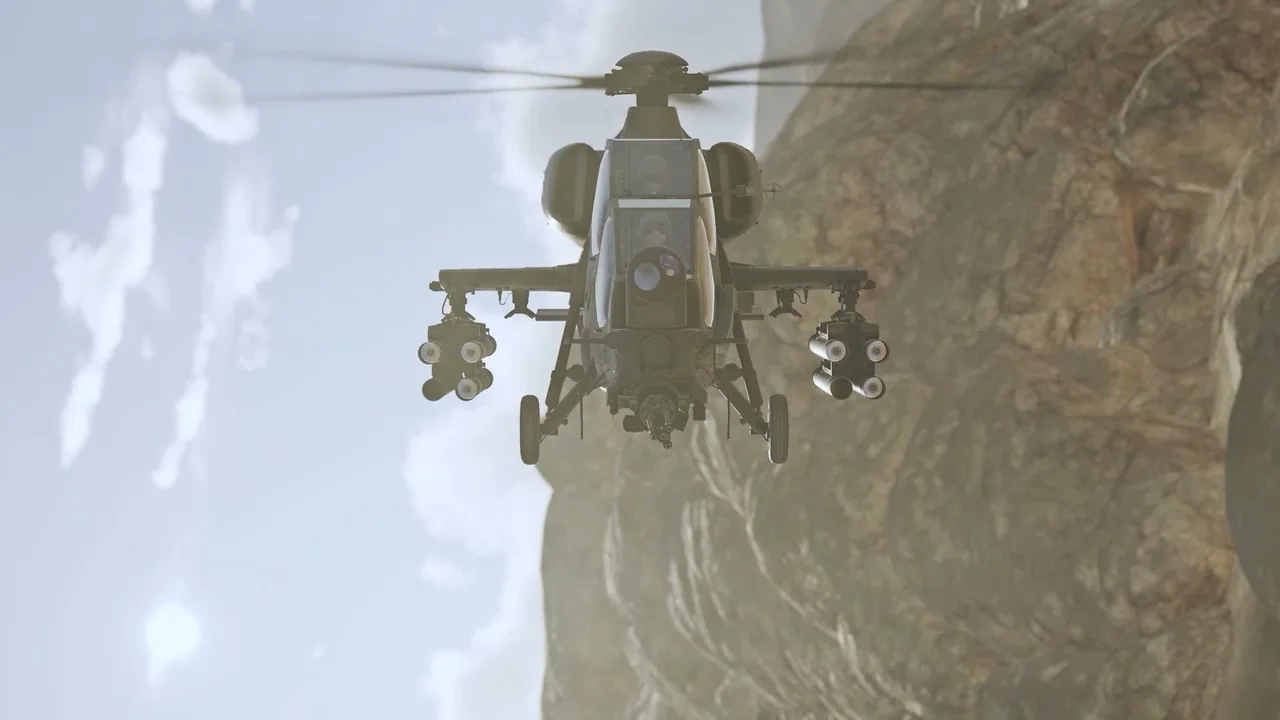
Official War Thunder campaign footage showing an armed attack helicopter flying beside a rocky cliff.
Official campaign footage // Vehicle rosterThe vehicle fantasy is broad; unlocking it takes time

This official helicopter frame illustrates the range of machines War Thunder puts in front of players, while the section below examines the time cost of reaching them.

The early tiers move quickly enough to demonstrate the appeal. Later research, purchase and crew costs make experimentation more expensive. Premium time and vehicles accelerate that process, which means the game repeatedly places a price beside the frustration it creates.

The safest way to play is horizontally. Enjoy a historical bracket, learn several vehicles and avoid treating the newest machine as the point at which fun begins. Anyone who installs only to reach one famous jet or tank may spend most of the journey playing vehicles they did not want.

The official changelog documents a live service where vehicle behavior, maps and economy details continue to change. A 2024 or 2025 guide can explain a concept while being wrong about a current research cost or lineup position. Verify numerical advice against the live stat card and current patch notes.

How expensive is War Thunder in time and money?

The client is free, and early vehicles arrive at a pace that supports experimentation. At higher ranks, research points, vehicle purchase costs, crew training and modifications compound. Premium account time and premium vehicles reduce some friction, but a purchase does not supply map knowledge or a complete lineup.

Before spending, calculate whether the desired vehicle belongs to a bracket you already enjoy. Buying directly into unfamiliar high-tier combat can produce shorter matches and lower rewards than learning through a preferred mid-tier lineup. Premium time is easier to evaluate when play frequency is known; a vehicle is more permanent but tied to one nation and role. Prices and event conditions are unstable, so check the official store at the moment of purchase.

For squad-based infantry and vehicle battles with a different progression model, see our Enlisted review. Naval players interested in a slower player-driven sandbox can compare our World of Sea Battle review.

How should players handle balance and economy changes?

Treat any exact research recommendation as dated advice. A vehicle can move in battle rating, ammunition can change and a route that was efficient before an economy revision may no longer be sensible. Use the official changelog to confirm changes, then compare the live stat card and repair cost before buying or crewing a vehicle.

Do not rebuild an entire lineup around the first day of a patch. Let players discover new matchups, test the vehicle in controlled conditions and keep enough currency to reverse a poor investment. Knowledge about angles, cover and role survives balance changes more reliably than a promise that one machine is currently exceptional.

Who should play War Thunder?

Play if you enjoy learning machines, reading a battlefield and turning knowledge into small advantages. It rewards patience, historical curiosity and the willingness to review why a shot failed.

Skip it if you need a short path to endgame, dislike repair-and-research economies, or become frustrated when an experienced opponent wins before you understand the engagement. War Thunder's depth and hostility come from the same systems.

Is War Thunder worth playing in 2026?

Yes, but choose a destination close enough to enjoy. The free game contains an unusually broad collection of playable vehicles and a detailed systemic damage model. It becomes much less generous when progression replaces battle quality as the measure of a session. Pick a mode and era you already like; if those battles hold your attention, the grind becomes background rather than the product.

Frequently asked questions

Is War Thunder free to play?

Yes. Aircraft, tanks and ships can be researched without buying the client. Premium time and vehicles accelerate or redirect progression but are not required to enter standard modes.

Which mode should a beginner choose?

Arcade is the clearest introduction. Move to Realistic when markers and simplified handling feel limiting, not because another player describes it as the only legitimate mode.

Can aircraft and tanks fight in the same match?

Combined ground modes can include aircraft, subject to their current spawn rules. Dedicated air and naval modes have different structures.

Is War Thunder pay to win?

Payments can accelerate research and provide particular vehicles, creating real advantages in time and lineup access. Knowledge and positioning remain decisive, and not every premium vehicle is stronger than its peers.

How long does it take to reach top tier?

There is no honest universal number. Nation, branch, skill, premium status, mode and play frequency change the result. Start only if the lower and middle tiers are worth playing on their own.

Review strengths and limitations

Pros

  • Aircraft, ground vehicles and naval craft share one enormous ecosystem
  • Arcade, Realistic and Simulator modes support different levels of commitment
  • Damage models reward knowledge of modules, armor and ammunition
  • Frequent updates keep adding and revising vehicles and battle systems

Cons

  • Research and currency requirements become increasingly slow
  • New players face a steep knowledge gap and unforgiving matchmaking moments
  • Premium vehicles and account time are constantly visible shortcuts
  • Balance shifts as new vehicles and mechanics enter the live service