A current assessment of Once Human's supernatural survival loop, building, scenarios, seasonal resets, cross-play expansion and monetization.
EReview byEthanPublishedReading time8 minAs of official August 2026 updates and console launch sources checked August 31, 2026
Research-based assessment using the sources listed below. This is not a hands-on test and carries no numeric score. Our review method.
Verdict
Once Human is a compelling free survival sandbox when a group wants to explore, build and confront bizarre anomalies together. Its scenario seasons, resets and uneven technical history remain the deciding factors: they create renewal for some players and instability for others.
The short answer: Once Human is worth trying in 2026 if you want survival crafting with genuinely strange art direction. You gather resources, build a territory, improve weapons and face supernatural Deviations in scenario-based worlds. The official console launch FAQ confirms free access and cross-platform play across current PC, mobile, PlayStation 5 and Xbox Series versions, but the scenario structure still determines whether the game feels refreshingly renewable or frustratingly temporary.
This review is based on Starry Studio's current official updates and NetEase's console announcement. It is not a new all-platform performance benchmark or a claim that every scenario has been completed.
What kind of survival game is Once Human?
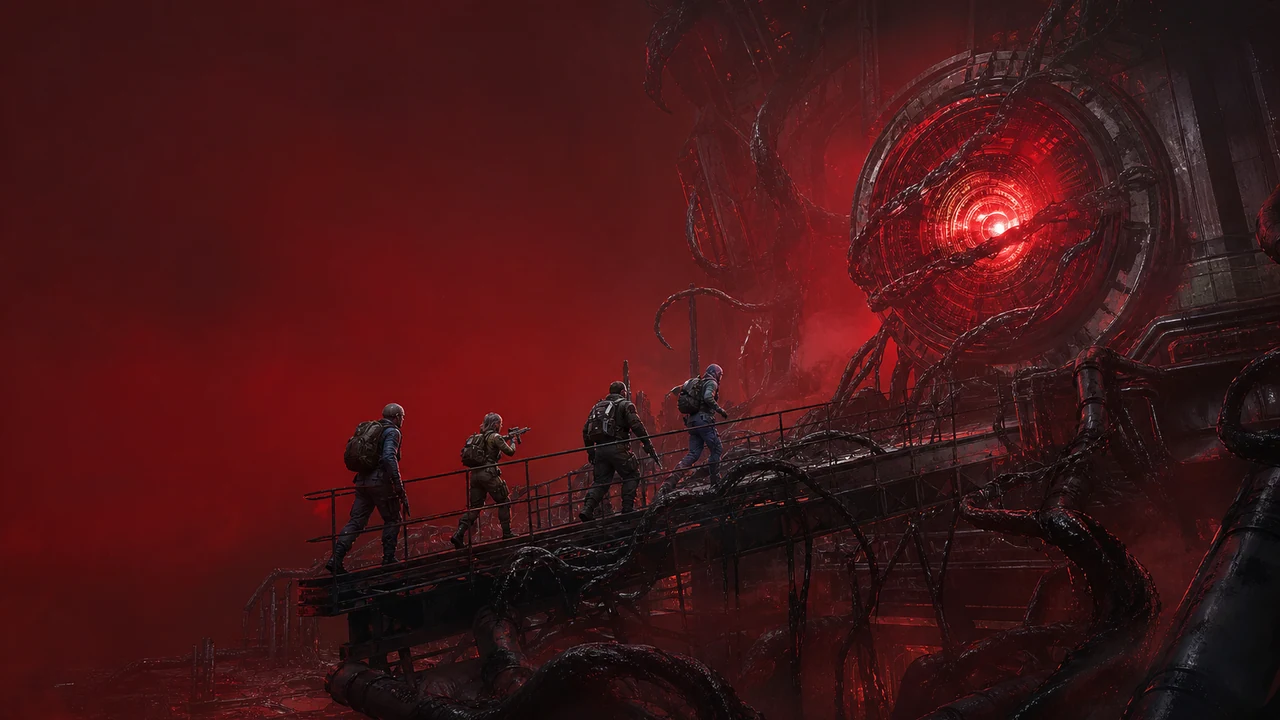
The basic loop is familiar: gather, craft, build, explore and fight. Once Human distinguishes itself through an environment reshaped by Stardust and monsters that combine bodies, objects and industrial machinery. A supermarket, farm or research site can become memorable because the threat is more imaginative than another standard infected enemy.
Your territory acts as workshop, storage and home. Crafting stations and defenses turn gathered materials into weapons, ammunition and improved equipment. Captured Deviants can assist with production or combat, adding a creature-management layer without replacing survival fundamentals.
Gunplay makes excursions more direct than in many crafting sandboxes. The tension comes from preparing enough ammunition and healing, then deciding whether an unfamiliar anomaly is worth the risk.
Do scenarios and seasonal resets ruin progression?
They change what progression means. Scenarios provide a rule set, timeline and goals rather than one server that remains identical forever. When a phase ends, some account-level value carries forward while world-specific development changes. That lets the developers introduce new conditions and gives established players a reason to rebuild.
Players who enjoy fresh starts see a season as another strategy problem. Players attached to one perfectly arranged base may see the same transition as lost labor. Before investing heavily, understand the current scenario's duration and transfer rules; the game is less frustrating when impermanence is expected.
The official server-opening guide distinguishes beginner PvE, standard PvE and PvP scenarios and explains that cross-platform and console-exclusive servers coexist. That distinction matters more than choosing the busiest-looking server name. Friends need compatible regions, scenario rules and server access; “cross-platform” does not mean every character can join every server without conditions.
What should a new player do in the first ten hours?
Choose Manibus (Novice) unless a group has a specific plan elsewhere. Establish a compact territory near useful resources, complete the journey tasks that unlock core crafting, and resist decorating a permanent-looking mansion before understanding the scenario. Early storage, ammunition production and clean power routing improve every later expedition more than cosmetic expansion.
Treat Deviants as tools, not collectibles alone. A production Deviant can reduce maintenance, while a combat companion can make solo excursions safer. Calibrate weapons and armor in a focused set instead of spreading materials across every drop. The map supplies many attractive diversions, but following one progression line keeps the resource economy readable.
The Version 3.0.4 announcement also shows that systems, first-person presentation and technical behavior continue to change. Read the current in-game notice before following an older build or server guide; a precise route from a previous season may no longer be optimal.
Is Once Human good with friends or solo?
The systems favor co-op because one player can gather, another build and another prepare combat routes. A team has more ways to recover from mistakes in difficult encounters, and the shared base turns maintenance into coordination.
Solo play remains possible, especially in PvE scenarios, but repetition is more exposed. Farming ammunition, moving materials and defending a territory can dominate a session if every role belongs to one person. The console launch and cross-play support improve the chance of finding a regular group, subject to current server and account rules.
For a more focused multiplayer shooter, compare our Enlisted review. For another large NetEase world with less crafting and more martial arts, see our Where Winds Meet review.
How do building, shooting and scenarios reinforce each other?
Once Human works best when the territory is a preparation space for expeditions rather than a separate decorating game. A resource route funds ammunition and calibration; a better workshop makes a difficult anomaly practical; the resulting loot then enables a more ambitious build or encounter. Deviants can shorten production work or add combat utility, linking exploration discoveries back to the base. When those systems connect, even a routine supply run has a visible purpose.
The loop weakens when upkeep expands faster than the player's goals. A large base requires more materials, power planning and repair, but size alone does not make the next fight more interesting. Build around current needs, leave room for the scenario to evolve and avoid copying a late-phase fortress before learning what the server rules actually reward. The game's striking architecture is more satisfying when each room supports how the group plays.
Scenarios can refresh this relationship by changing threats and priorities. A rule set that values temperature, territory conflict or a particular preparation forces players to reconsider familiar solutions. The cost is repetition: reconstructing basic infrastructure can feel like redoing solved work. The deciding question is whether the new scenario changes meaningful choices before it asks for the same material grind. Players should read the live description, phase schedule and transfer rules, then choose a scenario for its rules rather than its newest label.
Gunplay keeps the survival economy honest. If weapons, enemy effects and positioning remain enjoyable, gathering has a destination. If combat feels like a formality performed to earn the next blueprint, no amount of base complexity will rescue the loop.
How fair is the free-to-play model?
The value proposition is strong because core exploration, building and combat are free. Cosmetic stores and passes remain visible, and a live service can always change its offers. The more important cost for many players is time: scenarios encourage regular participation, and crafting economies convert absence into slower preparation.
Treat cosmetic purchases as entertainment, not account investment. A seasonal game is a poor place to spend money in order to make progress feel permanent.
How does Once Human perform across platforms?
The 2026 console release broadens access, but one platform's stability does not prove another's. Large bases, busy settlements and effects-heavy fights put different pressure on hardware than an empty wilderness. The official news cadence still includes bug fixes and control improvements, so buyers should separate “supported” from “identical.”
Use the graphics preset as a starting point, then prioritize a stable frame rate and readable enemy effects. On console, review account linking before creating or overwriting characters; the official FAQ warns that region and server choices affect who can play together. This article does not claim a controlled benchmark across PC, mobile and every console model.
What should a co-op group coordinate before joining?
Agree on region, platform access, server type and scenario before anyone creates a long-term character. Cross-play broadens the possible group, but it does not erase every boundary. The official FAQ and server-opening notes should be read by the whole group because one mistaken region or exclusive-server choice can separate friends before the first base is built.
Next, align expectations. A group interested in relaxed PvE exploration should not join a schedule built around competitive territory windows. Decide whether materials are shared, whether the base is communal and which player will unlock essential production first. Specialization can reduce duplicate work, but every member should retain enough independent crafting to play when others are offline.
Finally, choose a simple communication habit for scenario transitions. Record what can transfer, which blueprints or currencies matter and when the group plans to move. Seasonal structure is much easier to accept when rebuilding is a planned joint project. It is much harder when one person discovers after the deadline that the rest of the group moved to a different ruleset.
Is Once Human worth playing in 2026?
Yes for a group willing to embrace scenarios and rebuilding. The creature design, base systems and broad cross-play distinguish it from many free survival options. Try one scenario long enough to build a functional territory and fight a major anomaly. If the reset horizon gives your planning a useful deadline, Once Human has a coherent long-term loop. If it makes every crafted wall seem disposable, another persistent sandbox will fit better.
Frequently asked questions
Is Once Human free on every current platform?
The official console FAQ says the console version is free like PC and mobile, with game modes available without an entry price. Cosmetic and pass purchases remain optional commercial layers.
Does Once Human support cross-play?
Yes, on designated cross-platform servers. Region, account linking and server type still matter, so friends should coordinate before creating characters.
Will a scenario erase everything?
No, but world-specific progress changes when moving between scenarios. Account-level items and transfer rules are more nuanced than a simple permanent-server model; read the current scenario explanation before investing.
Can Once Human be played solo?
Yes, especially in PvE scenarios. Gathering, defense and bosses are generally more efficient with a group, and solo maintenance exposes more repetition.
Is Once Human pay to win?
Its core modes are free and the store emphasizes optional items, but time, passes and live-service offers still shape the experience. Evaluate current store contents and scenario rules rather than relying on a permanent label.
Review strengths and limitations
Pros
Striking supernatural creatures give familiar survival systems an identity
Base building, resource routes and Deviant helpers support creative planning
Scenarios offer PvE and PvP structures instead of one permanent ruleset
The 2026 console launch broadens cross-play options
Cons
Seasonal and scenario transitions can make progress feel temporary
Menus, crafting tiers and currencies create a dense onboarding period
Performance and bug fixes remain a visible part of the update cadence
Solo play can turn resource collection and defense into routine work