Arknights: Endfield review 2026: factory RPG verdict

A source-checked assessment of Endfield's tactical team combat, AIC factory building, exploration, gacha systems and long-term live-service rhythm.

Research-based assessment using the sources listed below. This is not a hands-on test and carries no numeric score. Our review method.

Verdict

Endfield is worth learning if factory optimization and deliberate team building sound as important as combat. It is a weaker fit for anyone seeking a simple action RPG, a finite campaign or progression without gacha and recurring live-service systems.

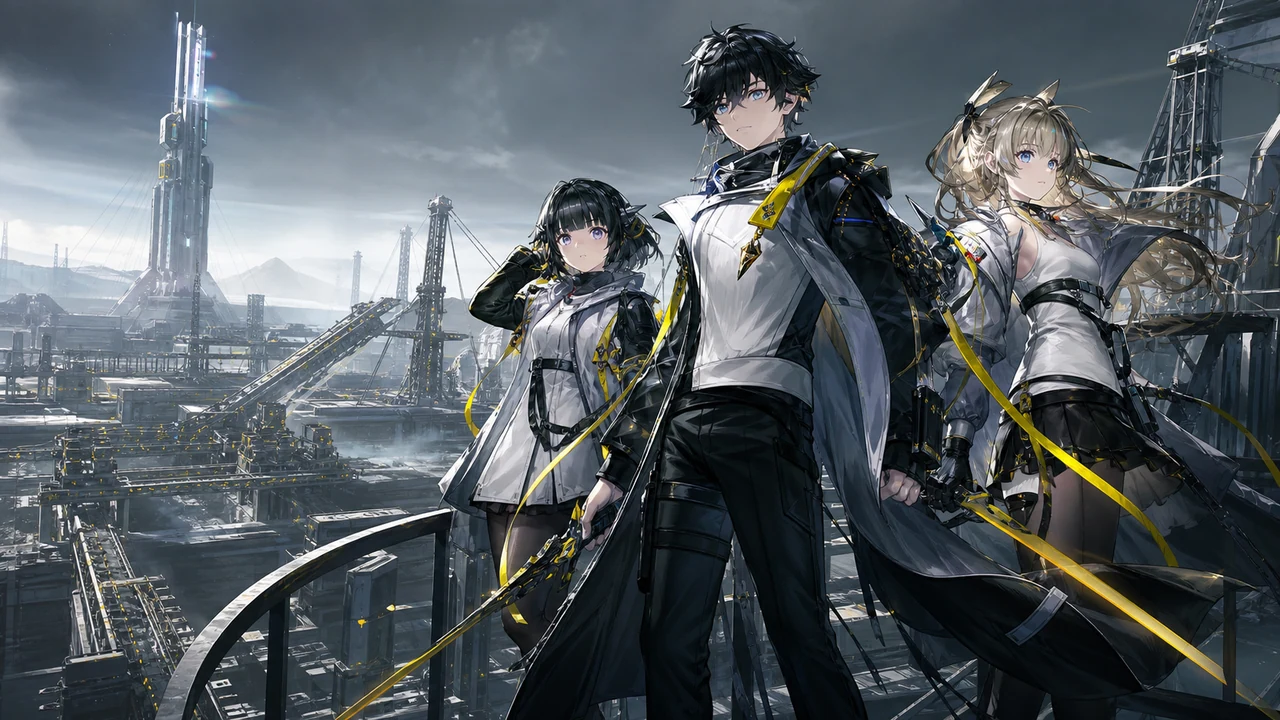
The Endministrator and two operators overlooking an automated industrial complex on Talos-II.

The short answer: Arknights: Endfield is worth trying in 2026 if you want an action RPG where building production lines matters as much as assembling a combat team. Gryphline's official release preview establishes the Automated Industry Complex as a progression pillar rather than decorative base management: mining, transport belts, processing and regional facilities feed equipment and account growth. That gives Endfield an identity beyond its anime presentation, but it also makes the game more demanding than a straightforward character action RPG.

This documentary assessment uses Gryphline's current release and update documentation. It covers the documented combat, factory and live-service systems rather than device-specific performance or a complete account-level spending audit. For the current download route, consult the official Arknights: Endfield website.
What kind of game is Arknights: Endfield?

Official gameplay preview // Beta Test IIAdvance and Expand

Gryphline's official pre-release gameplay preview introduces Endfield's world and activities. This Beta Test II footage illustrates the game's presentation; it is not a benchmark of the current version.

Watch on the official channel

Endfield combines real-time squad combat, regional exploration and factory automation on Talos-II. You control one operator directly while the rest of a four-character team contributes abilities and follows the encounter. Outside combat, the AIC system turns gathered resources into connected production chains using extractors, belts, pipes, processors and power infrastructure.

Those halves are deliberately connected. Regional development opens facilities and routes; factories manufacture useful materials; operator and weapon progression make exploration and combat more manageable. The result is closer to an action RPG crossed with a compact automation game than to a conventional open-world gacha title with a passive home base.

That distinction is the first buying-or-downloading decision. If arranging efficient inputs and outputs sounds satisfying, Endfield has a strong hook. If it sounds like work standing between story missions, the central loop may never click.

Does the AIC factory make Endfield genuinely different?

Yes. Gryphline's At the Wake of Spring DEV Comm and later AIC Factory improvements continue to devote major sections to factory controls, remote collection, recycling stations, blueprints and regional development. That level of support shows that AIC is a long-term pillar rather than a launch gimmick.

The factory works because it gives resources a visible origin. Instead of receiving every upgrade material from a menu, you establish power, route inputs and improve a system that continues producing value. Layout decisions can reduce manual trips and turn an initially awkward network into something readable and efficient.

The tradeoff is cognitive load. Production goals arrive alongside combat tutorials, operator upgrades, weapons, exploration objectives and event notices. Gryphline has simplified several interactions since release, including one-click collection and clearer building feedback, but the game still expects players to learn a vocabulary of interconnected systems.

How does the documented four-operator combat work?

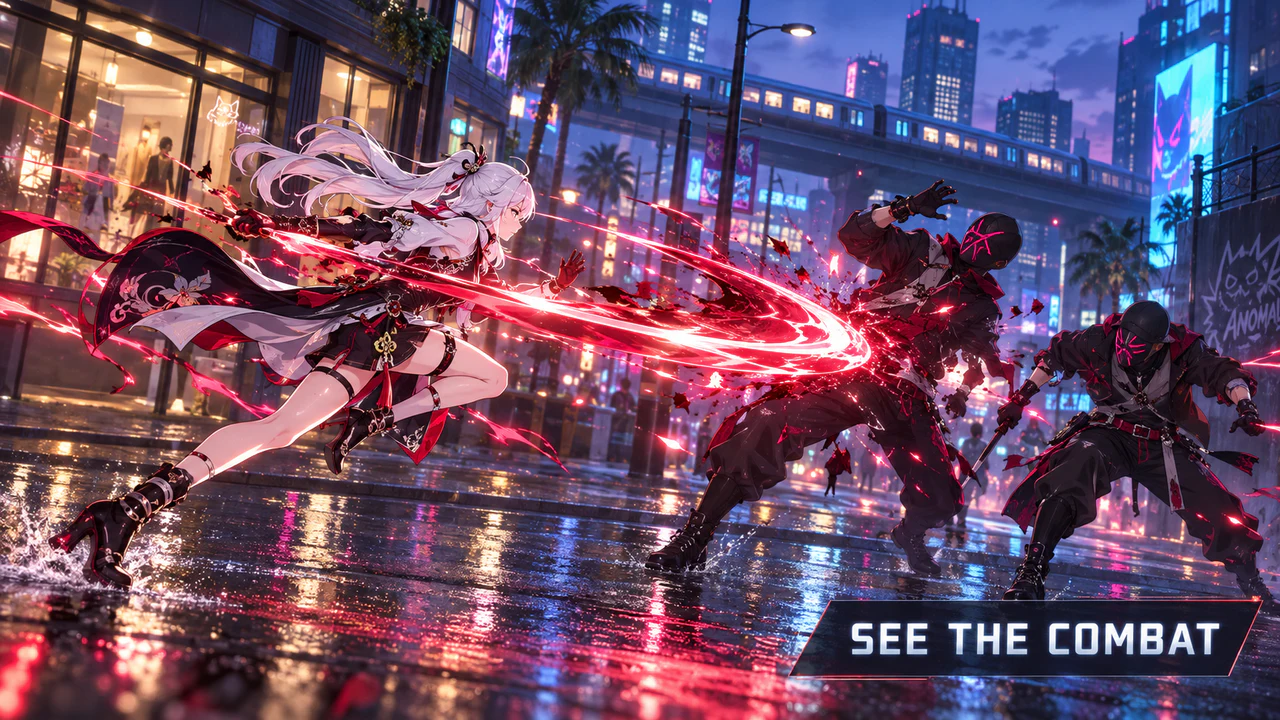
The combat is built around composition and coordinated skills rather than treating three party members as background decoration. Operators bring roles, damage types and conditional effects, so a team should be assembled around interactions instead of four individually powerful characters.

That structure creates several planning variables. A difficult encounter can expose a missing sustain tool, a weak elemental chain or poor skill timing in addition to dodging mistakes. Switching the controlled operator changes positioning and access to a kit without discarding the rest of the squad.

The limitation is that roster depth and combat depth are linked. When the acquisition system determines which operators and weapons are available, team-building freedom can be uneven between accounts. Endfield provides progression support and trials, but it remains a gacha game; readers should evaluate that structure separately from the quality of the underlying combat.

Is the gacha and live-service structure intrusive?

It is impossible to separate entirely from progression. Official notices describe limited-time Chartered Headhunting, featured operators, weapon acquisition and multiple currencies. A player can enjoy exploration and factory design without chasing every release, yet new characters and weapons are still presented as recurring account goals.

The safest approach is to treat the launch roster and earned resources as a fixed strategy problem. Build one coherent team, learn why it works and avoid spending simply to remove the discomfort of an unfinished collection. Limited banners are designed to create urgency; they should not become the schedule that decides whether a session was successful.

Live updates are a strength when they improve controls or add meaningful regions. They become a cost when daily tasks, events and upgrade materials make the account feel permanently behind. Endfield suits players who can set their own stopping rules.

Is the world and story approachable without playing Arknights?

Endfield belongs to the Arknights universe, but it establishes a new location, industrial frontier and cast. Prior knowledge can add context to terminology and themes, yet the basic conflict on Talos-II is introduced for this game. A newcomer should be able to understand the immediate missions without completing years of another live service first.

The greater onboarding challenge is mechanical rather than narrative. Combat, AIC construction, regional systems and account progression arrive close together. Following the main route until the core factory loop is functional is more useful than clearing every notification as soon as it appears.

Compared with the urban sprawl in our Neverness to Everness review, Endfield is more focused on industrial problem-solving. Both are character-collection RPGs, but they ask for different kinds of attention.

What does a sustainable Endfield routine look like?

Before deciding, test whether the game supports a sustainable weekly rhythm. Group factory changes into one planning session, then let established lines serve clear operator or regional goals instead of rebuilding the network every time a new task appears. Remote collection and blueprint features are most valuable when they reduce maintenance; using them only to create a more elaborate checklist misses the point of automation.

Combat progression should follow the same rule. Choose one team interaction to improve, manufacture the materials that support it and use exploration to unlock the next practical upgrade. This creates a closed loop in which each system answers a visible need. When factory production, regional development and squad growth all move independently, Endfield can feel like three live services sharing one interface.

Event participation should remain selective. Prioritize story, permanent regional additions and rewards tied to the current build. Skip low-value tasks that exist only because a deadline is visible. The official update cadence shows that Gryphline is still reducing friction, but no quality-of-life patch can decide how many recurring goals a player should accept.

Who will enjoy Arknights: Endfield most?

It is a strong match for players who like optimizing systems, reading ability interactions and improving a persistent account over months. Automation fans get a real production layer, while RPG players get a party whose composition matters. The official Windows, console and mobile support also makes it easier to keep one account across devices, subject to the correct account and server.

It is a poor match for players who want a short campaign, immediate access to every character, or action that never pauses for construction and resource planning. It may also frustrate anyone who dislikes limited banners even when the base game is free.

If you prefer direct multiplayer rounds with progression between matches, our Enlisted review covers a very different free-to-play structure. For long-horizon alliance strategy, see our Rise of Kingdoms review.

Is Arknights: Endfield worth starting in 2026?

Yes, with one condition: start for the factory-and-combat combination, not only for the character art. The AIC is the feature most likely to make Endfield memorable and the feature most likely to make a player quit. A focused trial should reach the point where a small production line supplies a real progression goal; judging the game before that misses its defining system.

Keep the first account plan narrow. Build one team, solve one production bottleneck and ignore optional collection pressure until the core loop proves enjoyable. If improving both the squad and the factory feels rewarding, Endfield offers unusual long-term depth. If either half feels like an obligation required to reach the other, its update cadence will magnify that friction rather than remove it.

Frequently asked questions

Is Arknights: Endfield free to play?

Yes. The core client is free, with operator and weapon acquisition tied to live-service systems. Free access does not mean every featured character can be obtained on demand.

Do I need to play Arknights first?

No. Prior knowledge adds context, but Endfield introduces Talos-II, its cast and its immediate conflict for newcomers.

Is the AIC factory optional?

No. It is integrated with regional development and progression. Players who dislike production-line planning should evaluate it before committing to the live service.

Can Endfield be played with a controller?

Yes on supported platforms. Gryphline maintains an official controller FAQ and has continued improving remapping and factory controls; check the current platform notice for device details.

Is Endfield pay to win?

Operator and weapon acquisition can affect team options, while story and exploration remain playable without owning every release. The fairest description is a gacha RPG whose spending impact depends on competitive goals and roster expectations.

Review strengths and limitations

Pros

  • The AIC factory gives progression a distinctive automation layer
  • Four-operator combat rewards team composition and skill timing
  • Exploration, production and regional development reinforce one another
  • Regular updates have already improved factory and onboarding friction

Cons

  • Several currencies, upgrade tracks and tutorials compete for attention
  • Character and weapon acquisition remain tied to gacha systems
  • Factory work is a core requirement rather than an optional side activity
  • The live-service structure favors regular check-ins over a finite campaign